A fictional coastal house is completed, shaped by British family roots and adapted to Sarasota light, heat, and weather.
A fictional Sarasota nonprofit concept
For more than a century, this house has made room for what comes next.
When life changes suddenly, one open door can change what comes next.

The two records
One house entered
history twice.
The public account preserved architecture and ownership. A private register preserved the reason the building mattered. Both records are necessary; neither has permission to expose the people behind the protected one.
I
Official record
The house
II
Protected register
The promise
No private entry is shown for this year. An absence is not an invitation to invent one.
A Gulf storm enters the public memory of the property. The deed record says little about what happened inside.
One family compresses into a single room and opens the rest to displaced neighbors. A roster begins as quiet accountability.
The public property account records the building, not the private circumstances of the people who passed through it.
A young widow finds room here. Shared childcare and a work introduction help her begin again; family memory says she later secures a small home.
Clara Harcourt’s grandmother helps secure a fictional historic designation centered on architecture, owners, and the storm.
The register is kept outside the designation materials. Protecting a building does not grant permission to expose the people it sheltered.
A neighborhood foundation begins operating in the house through an informal arrangement, while property and mission remain separate.
The roster remains a protected internal record, not public evidence for the foundation’s work.
Clara inherits a building that needs a durable future, careful preservation, and verified accessibility and safety planning.
Clara recognizes local surnames. Naomi Bell knows one entry belongs to her grandmother. Neither woman makes the names public.
The names remain private. The promise does not.
The discovery · A record with limits
Clara inherited the house. Then she learned what it had been holding.
The register is not a donor list, a campaign device, or proof of a result. It is a record of responsibility. Clara recognizes surnames belonging to people she has known around town, and understands why her grandmother protected the book when she protected the building.
Clara brings the discipline of a hospital administrator to her role as interim director. She begins the structural work: moving the property and the mission into one permanent fictional nonprofit. Her intention is not to keep the title. It is to make the work durable enough to hand on.
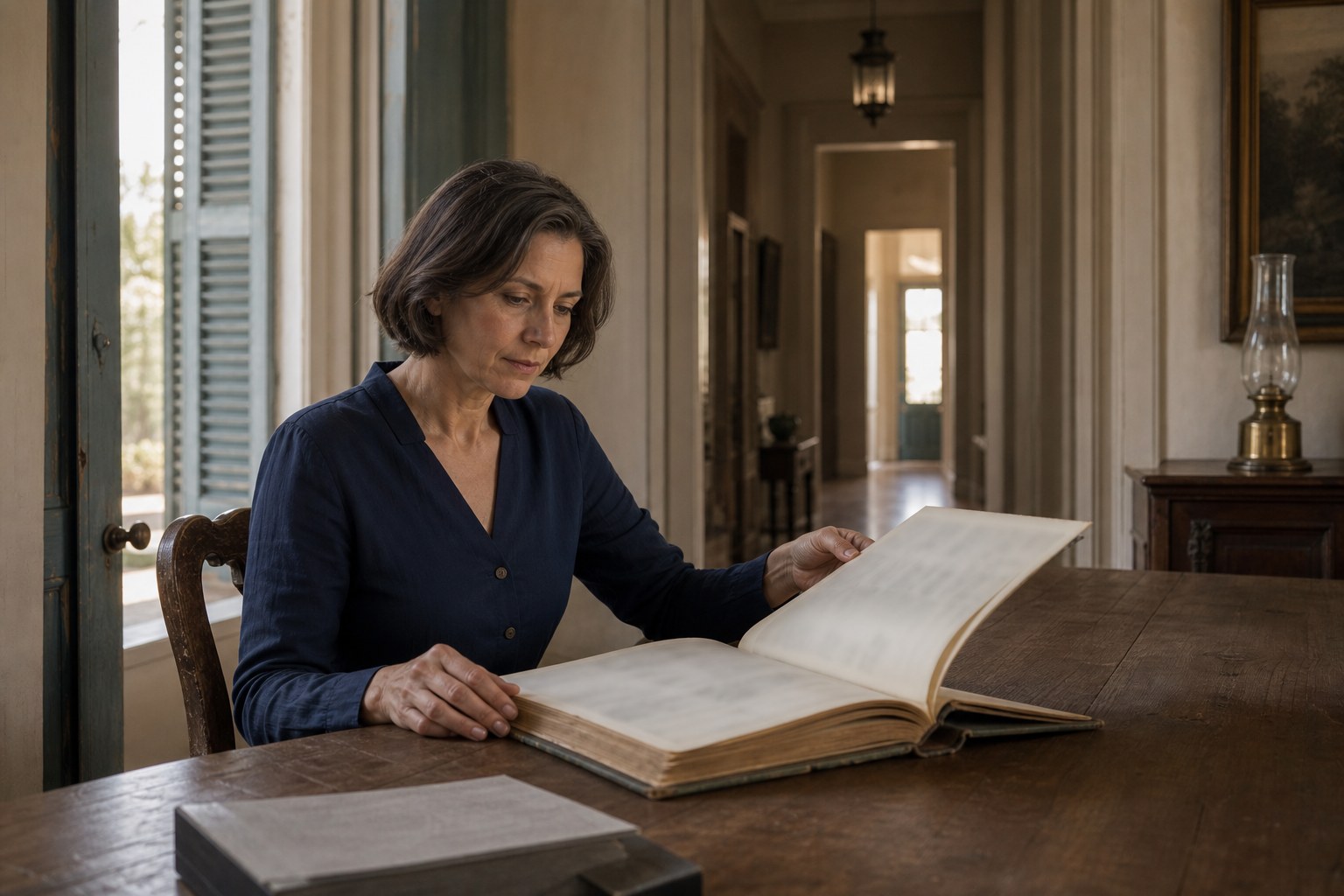
What the official record could not hold
The house was useful before it was historic.
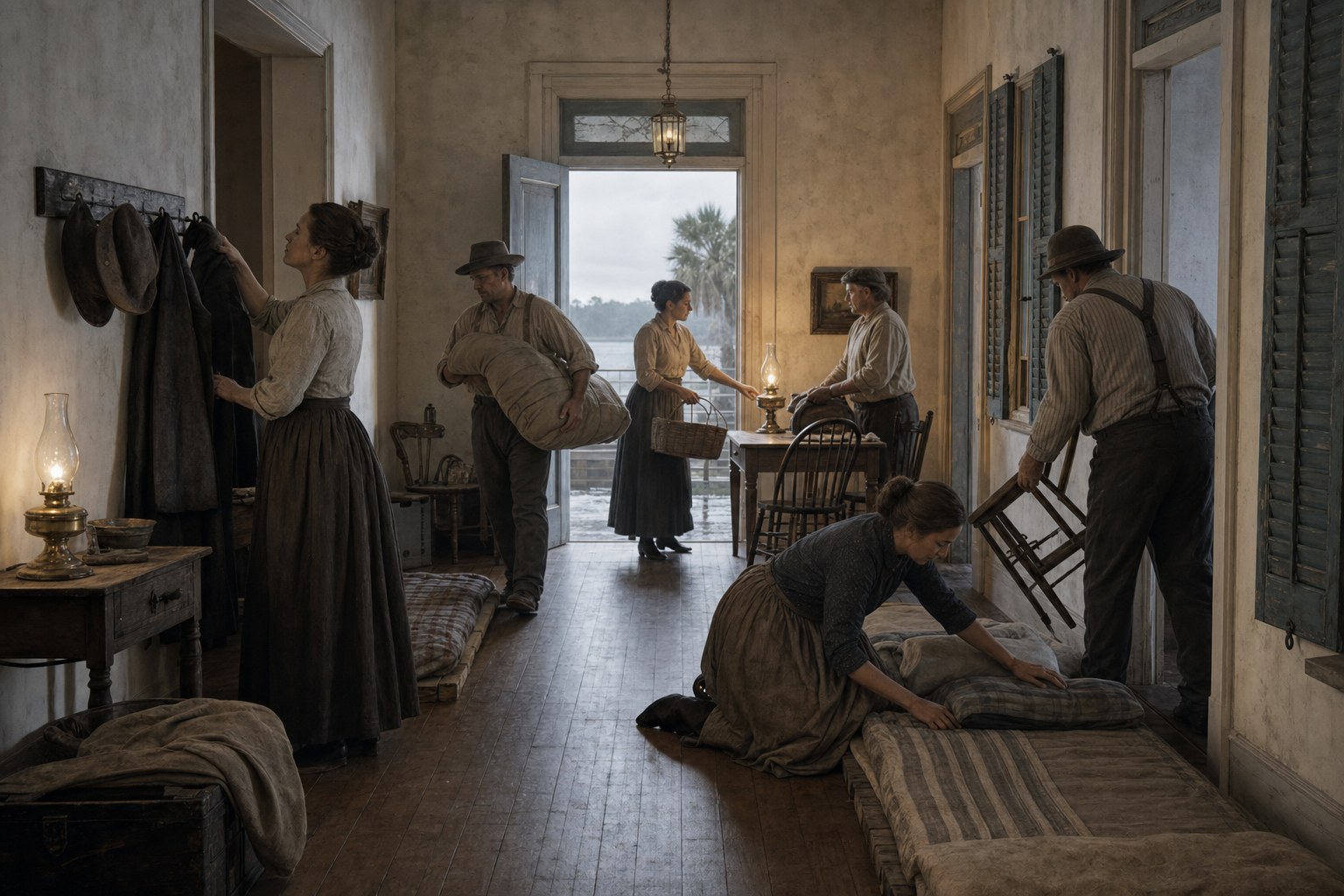
Early 1890s · The first open rooms
A storm changed the use of the house.
The family kept one room and made the rest available to neighbors. The first roster was practical: a way to remember who had arrived and who still needed a next conversation.
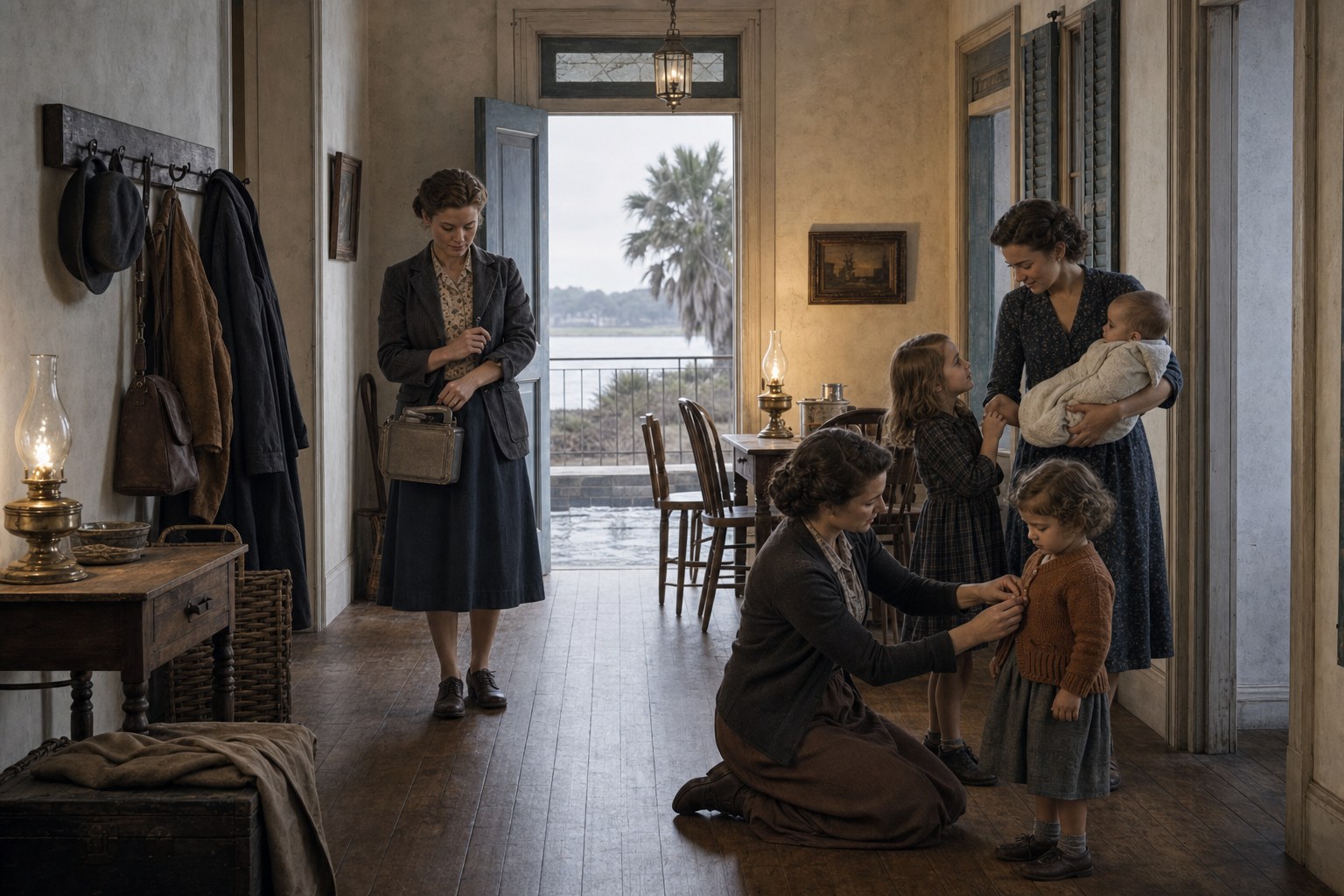
1945 · A family’s private memory
Naomi grew up hearing what one season of support made possible.
Her grandmother came to the house as a young widow after her husband was killed in WWII. Other women shared childcare and introduced her to dependable work. Later, family memory says she secured a small home. This private family oral history is not a fundraising story and is never presented as a formula or promised outcome.
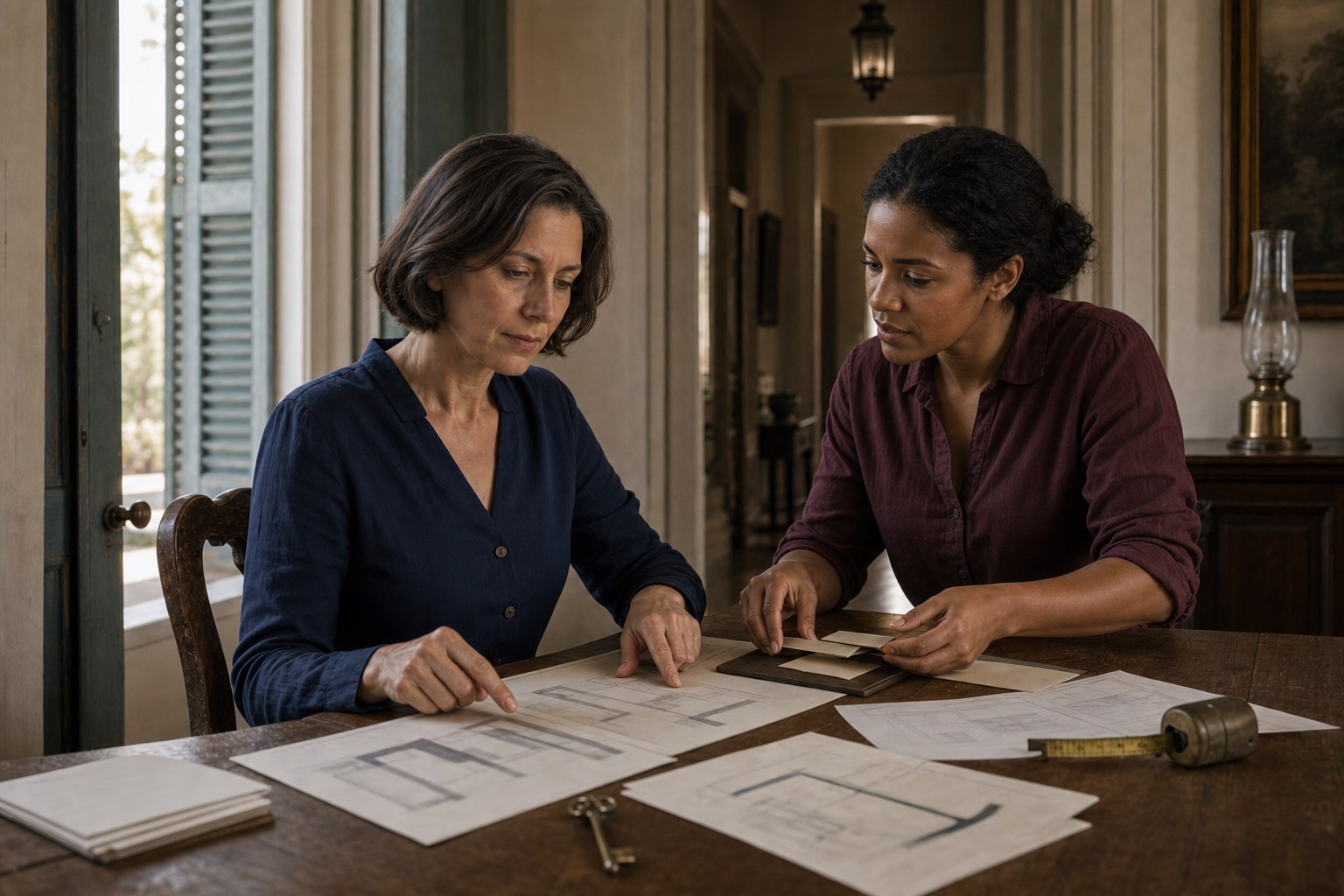
Two forms of stewardship
One makes the structure durable. One prepares to lead what happens inside it.
Clara brings the rigor of hospital administration and a responsibility to the property. Naomi brings professional family-support experience and a personal understanding of why privacy matters. Clara deliberately steps aside after the structural work; Naomi becomes the permanent director. Together they separate story from operating information, and inheritance from authority.
A fictional support model · Structure, not operating information
A pause can make room for a plan.
Upstairs, a small number of temporary rooms are imagined. Downstairs, private planning, support, and resource conversations are imagined. Every real service, condition, safeguard, and capacity would require operator confirmation before publication.
- 01
Pause
Create enough breathing room to understand what changed and what is most immediate.
- 02
Stabilize
Work with the person to identify priorities and connect verified resources where appropriate.
- 03
Move forward
Define a practical next step without pretending every person’s path or destination will be the same.
Operator-ready pathways
Clear enough to guide. Careful enough to remain true.
These fields demonstrate a publishable information structure. Every value remains explicitly bounded until a real operator verifies it.
Pathway I
Find support
- Public pathway title
- Operator to approve the language used to name this pathway.
- Opening guidance
- Operator to supply a plain-language explanation of whom this pathway is intended to guide.
- First steps
- Operator to verify the sequence, required information, response expectations, and alternatives.
- Eligibility
- Operator and counsel to verify all criteria, exceptions, documentation, and limitations.
- Current capacity
- Operator to maintain current capacity and explain what a person can do when a service cannot be offered.
- Timing
- Operator to enter and maintain verified days, times, closure notes, and response windows.
- Contact route
- Operator to enter and maintain the verified contact method only after approval.
- Access
- Operator to verify physical, digital, communication, and accommodation details.
- Language access
- Operator to identify verified language and interpretation options.
- Urgent situations
- Operator and counsel to approve accurate boundaries and current emergency guidance.
Pathway II
Help keep the door open
- Public pathway title
- Operator to approve language that fits the organization’s actual support model.
- Opening guidance
- Operator to explain verified ways people may contribute time, goods, expertise, or funds.
- Ways to help
- Operator to verify what is currently useful and what cannot be accepted.
- Transaction process
- Operator and counsel to approve the provider, security language, fees, and confirmation flow.
- Use and designation
- Operator to verify whether and how contributions may be designated.
- Receipts and status
- Operator and counsel to supply verified receipt and organizational-status language.
- Questions
- Operator to enter and maintain an approved contact route.
- Governance
- Operator to publish only approved leadership, board, policy, and oversight information.
- Financial information
- Operator and counsel to approve current documents, dates, context, and access.
- Privacy practice
- Operator and counsel to explain how personal information is handled and protected.
One digital door
History had one website. The foundation had another.
For years, the fictional historic house and the neighborhood foundation were represented through two separate websites. One explained the building without the promise. The other explained the mission without the house that gave it meaning.
The new site is the final readiness step: one truthful entrance with history, privacy, practical pathways, governance, and maintained information in their proper places.
ThenHistoric propertyArchitecture without mission
+ThenCommunity foundationMission without its place
→NowHarbour HouseOne governed source
The threshold
Ownership becomes stewardship.
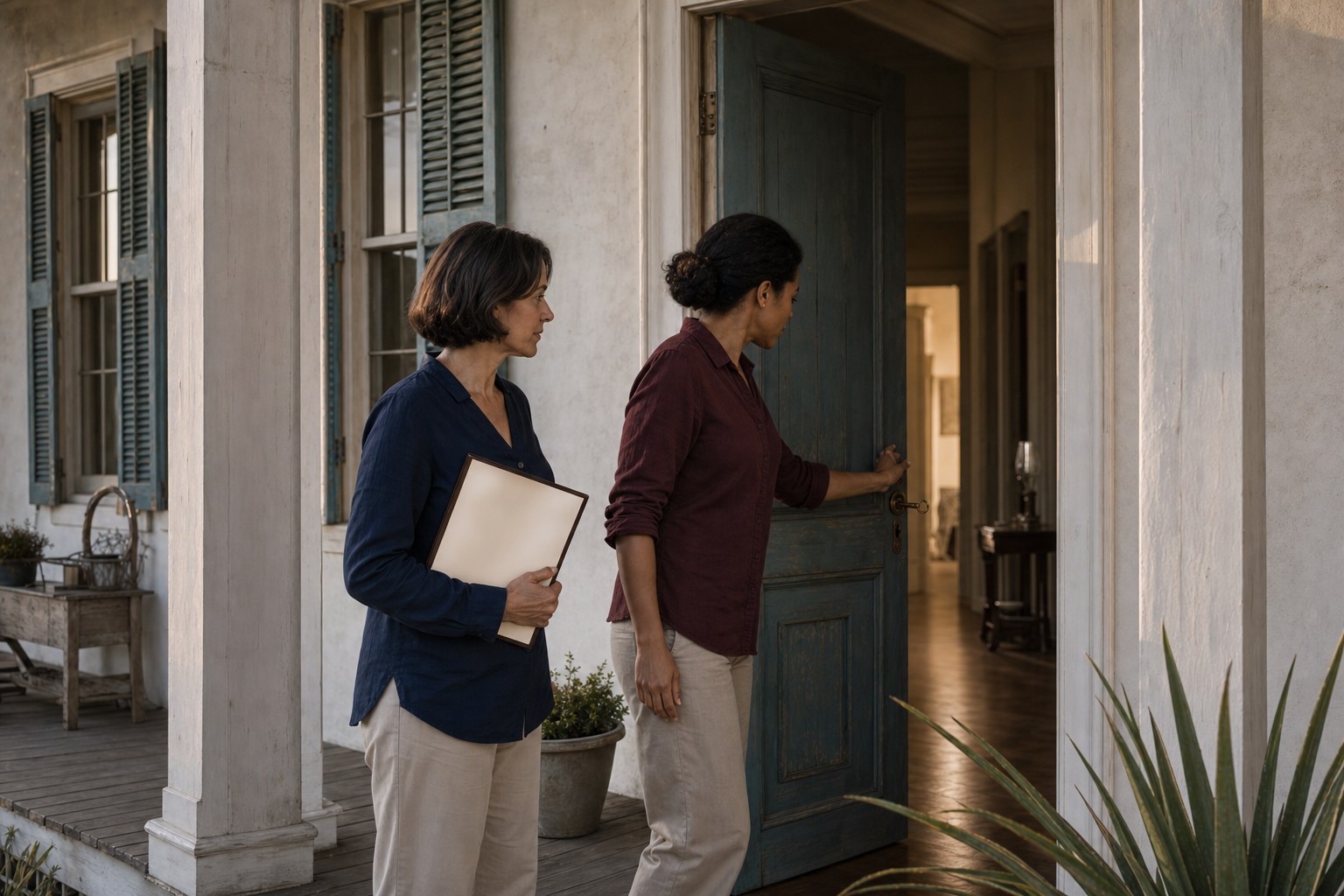
On the porch, Clara holds the executed deed with every legal mark unreadable. Naomi opens the original door. The old key remains in the lock.
Clara has secured who the house belongs to. Naomi begins leading what happens inside it. The handoff is quiet because the important change is structural: the future of the promise no longer depends on one family’s private ownership.
The next record begins
The door was inherited. The promise now belongs to everyone responsible for keeping it open.
Harbour House is a Made Visible demonstration of what a nonprofit website can hold when history is carefully sourced, private stories remain protected, and practical information is governed by the people responsible for it.
Return to Made Visible