A dated placeholder with no room for stewardship, architectural history, or maintained practical information.
Concept 03 · Architectural memory · A fictional fine-dining story
The room
remembers.
The door
is open.
A working exchange became an exclusive dining room. A busser became its memory. Then the people who created the experience became responsible for what it could become.
Enter the story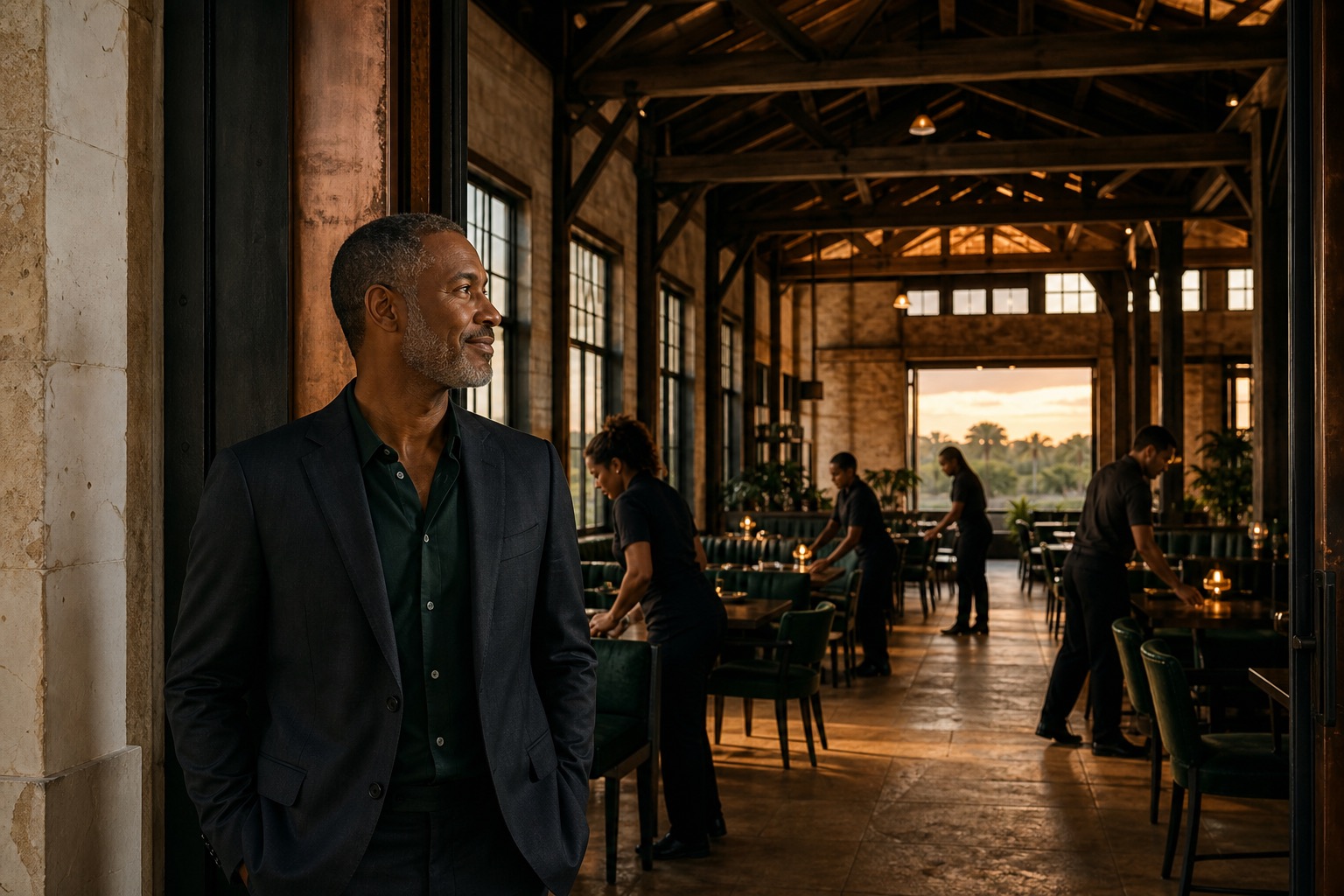
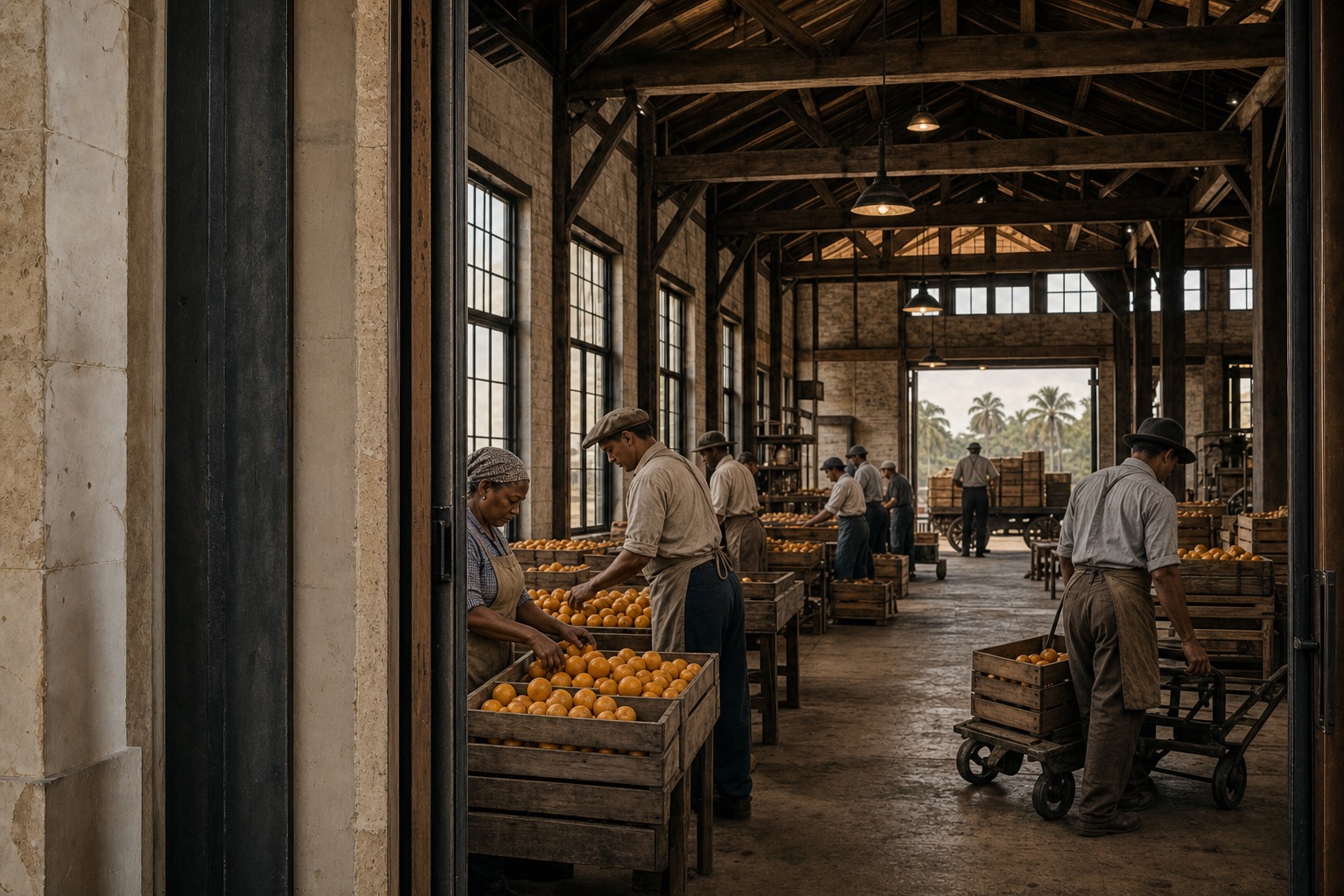
1934 · The working exchange
Before it held tables,
it held a season.
In this fictional history, growers brought the harvest through a limestone shell built for air, movement, and honest work. Timber trusses carried the roof. Wide doors turned the building into a threshold between grove and town.
Nothing about the room was ornamental. Its proportions came from what people needed to do inside it.
1993 · Vesper House
The architecture
was asked to host.
A fictional restaurateur restores the building and names the dining room Vesper House. The limestone stays visible. The loading door becomes the evening entrance. New work is set inside the old structure without pretending the two eras are the same.
Marcus Reed joins as a busser during the opening season. He is young, observant, and almost invisible to the guests. The experience gives him a lasting conviction: no one under his care should be made to feel invisible.
Three decades · Attention accumulated
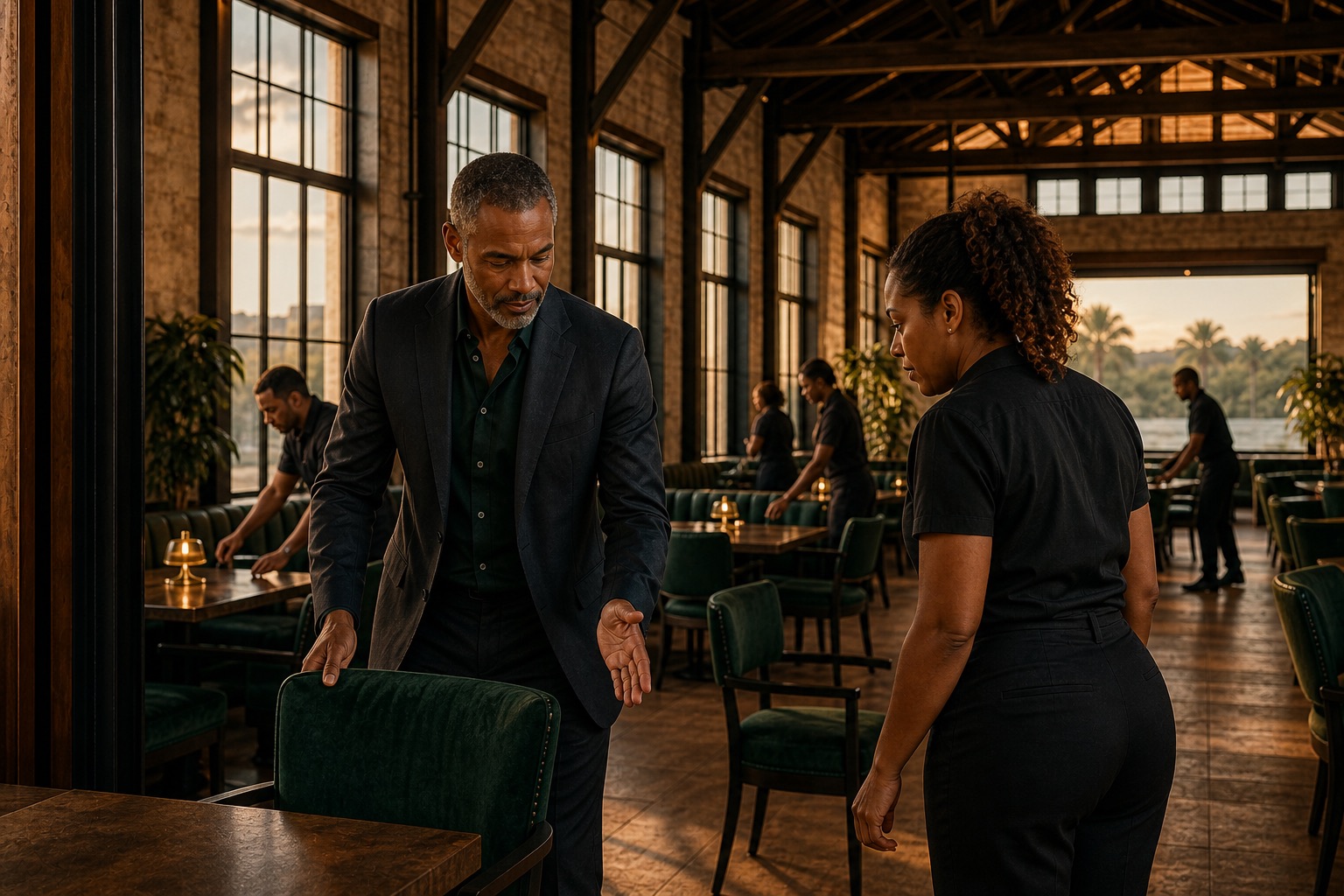
Marcus learned the room by learning how people moved through it.
He works through every service position and eventually becomes the longtime maître d’. His gift is not performance. It is memory: names, pace, preferences, and the small adjustments that let a person feel recognized without being placed on display.
The Table Constellation · An abstract story map
The room remembers through acts of care, not private stories.
Six points trace the building’s fictional eras and the work that connects them. They represent attention, never a seating chart or a record of real guests.
1934 A room shaped by shared work.
1993 The old loading door welcomes a new evening.
Over time Attention becomes the room’s memory.
2025 Stewardship reaches a threshold.
2026 The website becomes an honest entrance.
What follows Five people carry the room together.
2025 · The thirty-day decision
The room’s future comes down to who will be trusted to carry it.
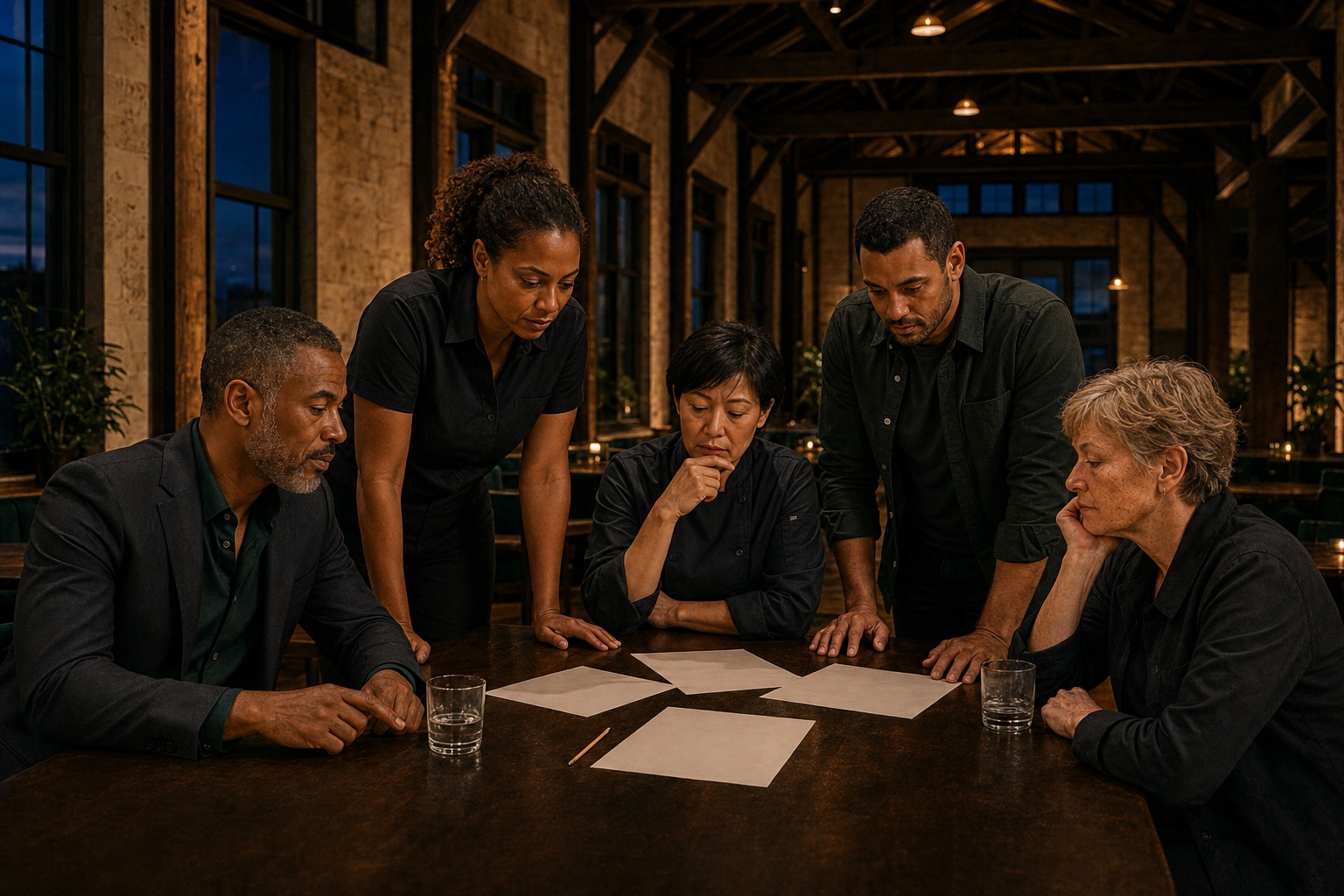
When the retiring owner receives a fictional offer from a luxury hospitality group, Marcus is given thirty days to assemble a credible competing plan. The challenge is not simply gathering support. It is protecting control for the people whose attention creates the experience every evening.
- 01
Listen
Marcus asks the staff what they are prepared to protect and what they are ready to change.
- 02
Organize
The group forms a fictional five-person ownership plan, with responsibility shared across the room.
- 03
Commit
In early 2026, Marcus and four colleagues choose the longer work of becoming stewards together.
2026 · The new doorway
The final architectural touch is not inside the room.
For years, the fictional restaurant’s digital entrance had been a remnant: a narrow page built for a different owner, a different moment, and a different understanding of hospitality.
The evolved website does not imitate limestone and timber. It carries their principles online—clarity, proportion, material honesty, and a sense that every threshold has been considered.
A calm editorial system that distinguishes story from operator-approved details and gives the shared owners room to evolve.
Operator-ready · Not operating information
A useful structure, left truthful.
These sections demonstrate information architecture only. They contain no menu, price, ingredient, dietary, reservation, schedule, address, phone, award, rating, or availability claim. A real operator would verify every field before publication.
Story architecture
- Current sections
- Operator to confirm which history and room details belong in the public story.
- Content priority
- Operator to approve the order, emphasis, language, and any source material used.
Ownership language
- Ownership and team
- Operator and counsel to verify names, roles, structure, effective dates, and public language.
- Visual inventory
- Operator to supply approved photography and confirm what each image represents.
Practical details
- Visit information
- Operator to enter and maintain current location, schedule, access, contact, and booking information only after verification.
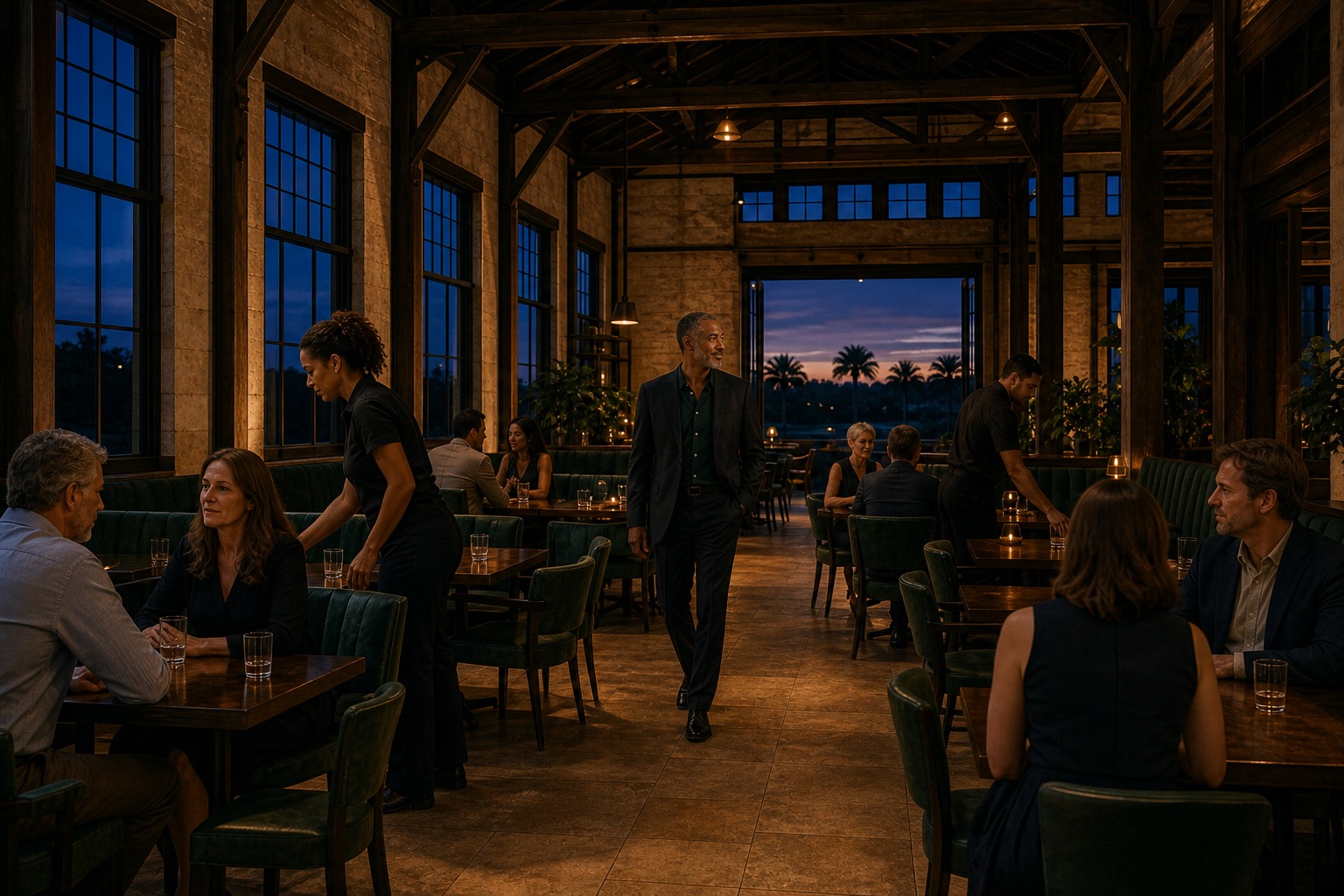
The future · Five stewards
What was inherited becomes something shared.
The staff-owned future is fictional, not a claim about a real business or a prediction of results. It lets the concept ask a useful question: what should a website reveal when the people who carry an experience finally own its next chapter?
The room remembers the work. The new doorway makes the stewardship visible.
Return to Made Visible